Auto Profit Hub
Why Trading Often Feels Difficult to Understand at First
Sign Up now
 Auto Profit Hub


Trading often appears simple at first glance. Prices rise and fall, and information spreads quickly across financial news and online discussions. Yet understanding why these movements happen can be difficult without background knowledge. Market activity is influenced by many factors such as economic reports, investor sentiment, and global developments. Without context, sudden price shifts may look random. Education helps individuals slow down and examine how these different forces interact.
Years ago, many traders relied on limited sources of information. Today, market updates arrive continuously through digital tools and financial platforms. Charts refresh within seconds, and discussions about market trends appear everywhere. This constant flow of information can overwhelm those who are unfamiliar with financial concepts. Learning helps organize that information by explaining how economic signals, price trends, and behaviour patterns connect.
Another challenge comes from interpreting data correctly. Charts and market indicators display valuable information, yet they require careful understanding. Without learning the basics of market structure and behaviour, it becomes easy to misunderstand signals or react too quickly to short term changes. Education encourages observation and comparison before forming conclusions about market activity.

Financial markets attract people with different levels of understanding. Some approach markets after studying how price movement, economic signals, and investor behaviour interact. Others enter quickly after hearing market news or following online discussions. Education changes how information is interpreted. Instead of reacting to every market update, an informed investor often studies patterns, historical context, and broader economic factors before forming an opinion.

An unprepared investor may focus mainly on short term price movement. Sudden rises or drops can trigger quick reactions without deeper analysis. In contrast, someone who has explored financial learning tends to examine several signals before drawing conclusions. Market cycles, sentiment shifts, and economic developments receive closer attention. Education does not remove uncertainty from financial markets, yet it helps individuals observe conditions with greater patience and awareness.
Many people notice price movements and feel curious about financial markets. Quick success stories often travel fast through conversations and headlines. That attention can create the idea that markets move in simple ways. Reality tends to be more layered. Prices change because of economic data, company results, global events, and investor behaviour. Each factor adds uncertainty. Learning about risk helps slow the decision process. Instead of reacting to excitement, individuals begin asking better questions. How much can a market move in a single day? What events cause sudden shifts? Studying these patterns builds a calmer approach to financial information.
Auto Profit Hub helps individuals connect with organizations that discuss financial education. The Auto Profit Hub focuses on connection rather than explanation. Interest in learning about financial markets can be expressed through a short registration step. After that, contact may occur with educational firms that discuss financial topics and market behaviour. The role remains limited to enabling communication. No opinions or interpretations are presented. Each learner can explore discussions independently with educators. Financial markets can change quickly, and losses may occur. Because of this, independent research and conversations with financial professionals often help individuals better understand different perspectives before making decisions.
Financial markets are influenced by many forces that change constantly. Economic reports, global events, and investor behaviour can shift prices quickly. Because these factors interact in complex ways, predicting exact outcomes becomes difficult. Education therefore concentrates on helping people understand how markets behave rather than attempting to forecast future prices. By studying patterns, economic signals, and historical cycles, learners develop clearer awareness of how financial activity unfolds.
Auto Profit Hub helps individuals connect with organisations that discuss financial education. Through a simple registration step, learners may begin communication with educational firms that explore market behaviour and financial concepts. These discussions often examine how trends develop, how sentiment influences price movement, and how economic indicators shape financial conditions. The focus remains on explanation and exploration rather than predicting results or suggesting actions.
Education can explain how markets reacted during earlier periods and how similar conditions may appear again. Yet uncertainty always remains part of financial systems. After contact begins, individuals continue exploring topics through discussion and independent research. Comparing different viewpoints can support clearer interpretation of financial information. Financial markets remain unpredictable. Cryptocurrency markets are highly volatile and losses may occur.
Financial markets include many types of assets, and each one reacts differently to economic conditions. Stocks, commodities, digital assets, and currencies often move for different reasons. Some respond strongly to economic growth, while others react to policy changes or shifts in global demand. Learning how these assets behave helps individuals understand why market movements rarely follow the same pattern across every sector.
Different asset groups often react in their own way when major events occur. Economic announcements, interest rate changes, or global developments can influence certain markets more than others. Educational discussions often examine how these reactions appeared in earlier market periods. By reviewing historical examples, learners begin to recognise how different asset categories respond to similar conditions.
Price movement within each asset class often reflects the behaviour of participants active in that market. Some assets experience rapid shifts when sentiment changes, while others move gradually over longer periods. Studying these differences helps learners understand how volatility, liquidity, and investor participation influence price behaviour across markets.
No asset class behaves in a completely predictable way. External events, policy decisions, and sudden shifts in sentiment can interrupt established patterns. Education therefore focuses on helping learners understand uncertainty rather than removing it. Examining the limits of market behaviour helps individuals approach financial discussions with greater awareness. Cryptocurrency markets are highly volatile and losses may occur.
Financial learning often involves comparing how different asset types reacted during earlier market phases. Reviewing these comparisons helps learners see how conditions influence each market differently. Through observation and discussion, individuals begin recognising broader relationships between asset classes and economic environments. Over time, this process builds a deeper understanding of how financial systems operate.
Financial information appears from many directions. Market reports, economic updates, and price charts constantly present new signals. Without careful review, it becomes easy to misunderstand what those signals represent. Learning encourages individuals to examine information slowly and question how each piece of data fits into the broader market environment. This approach helps reduce confusion and supports clearer interpretation of financial developments.
Careful evaluation often begins by comparing multiple sources of information. Economic indicators, historical market behaviour, and investor sentiment may all influence financial activity at the same time. Instead of focusing on one signal alone, learners explore how these elements interact. Observing relationships between data points can help reveal patterns that explain why markets sometimes move in unexpected ways.
Another part of evaluation involves understanding the tools used to interpret financial information. Charts, market reports, and economic statistics help illustrate how conditions change over time. Reviewing these tools allows learners to see how data reflects shifts in participation, demand, and broader economic trends. Studying information in this way supports deeper awareness of how financial markets respond to changing conditions.
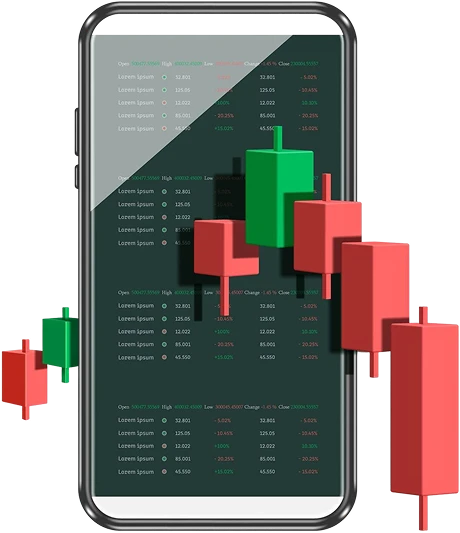
Technology now plays a large role in how financial markets operate. Trading platforms, data feeds, and digital analysis tools allow participants to observe price movement almost instantly. Instead of waiting for delayed reports, market data now updates continuously.
Learning about these systems helps individuals understand how technology supports the collection and interpretation of financial information.
Modern trading technologies often display large volumes of information through charts, indicators, and real time price feeds. These tools allow users to observe how markets respond to economic news, investor sentiment, and global developments. Educational discussions frequently explore how these digital tools help organize complex data so that price movement and trends become easier to examine.
Technology helps transform raw market activity into structured information. Platforms often group price history, trading volume, and market signals into visual formats that support analysis. When learners study these systems, they begin understanding how traders interpret financial data and why different tools may highlight different aspects of market behaviour.
Digital trading systems provide information, yet interpretation remains the responsibility of the individual. Education often encourages reviewing several data sources and comparing different analytical perspectives. This neutral approach helps prevent overconfidence when interpreting technological signals and supports a more balanced view of financial activity.
Even advanced technology cannot remove uncertainty from financial markets. Algorithms and data tools analyse patterns, yet sudden economic developments can change market direction quickly. Because of this, education emphasises awareness of risk when using modern trading tools. Independent research and discussions with qualified financial professionals can support informed evaluation. Cryptocurrency markets are highly volatile and losses may occur.

Financial markets often move in patterns that develop over time. Price changes rarely happen without influence. Economic conditions, investor behaviour, policy announcements, and global developments can all shape the direction of markets. Learning about these influences helps individuals see how trends form and why certain movements appear repeatedly across different periods.
Educational discussions frequently explore how these forces interact. When market signals align, trends may begin to develop. Some movements last only briefly, while others continue for longer periods as economic conditions evolve. Studying these developments helps learners understand how financial environments change and why trends sometimes strengthen or fade.
Many financial strategies begin with examining these patterns closely. Charts, historical data, and market indicators help illustrate how trends formed during earlier cycles. By studying these examples, learners begin to recognise how traders organise information when interpreting market activity.
Price patterns often provide the first clues about how markets behave. Historical charts allow learners to observe how similar movements appeared during earlier periods. Some strategies focus on long term trends, while others examine shorter cycles or sudden shifts in momentum. Reviewing these patterns helps explain how traders interpret market signals before drawing conclusions.
Financial strategies must always account for uncertainty. Unexpected economic reports, policy changes, or global developments can interrupt established trends. Because of this, education often highlights how strategies include ways to consider risk when analysing markets. Learning about these limitations helps individuals approach financial strategies with realistic expectations.
Financial markets rarely behave in a perfectly predictable way. Even strategies built on careful analysis can produce different results when conditions change. Education therefore presents strategies as tools for interpreting information rather than systems that guarantee outcomes. Understanding these limits helps individuals view strategies with caution and balanced expectations.

Many people searching for financial education move between different articles, data sources, and market discussions. This scattered flow of information can make learning difficult. A more organised approach helps bring these resources together in a clearer structure. Educational discussions often combine historical examples, market data, and behavioural insights so learners can explore how financial systems operate without relying on isolated pieces of information.
Learning conversations may introduce materials that explain how markets respond to economic events, how price patterns develop, and how investor behaviour influences financial activity. Charts, historical timelines, and financial reports are often used to provide context. These resources help learners examine how different signals interact rather than viewing market movement as random.
Another important resource involves data interpretation. Market indicators, economic statistics, and financial reports provide measurable insights into how conditions evolve. By reviewing these tools carefully, learners begin recognising relationships between economic developments and market behaviour. This approach supports awareness and helps individuals examine financial information with greater clarity while acknowledging that cryptocurrency markets are highly volatile and losses may occur.

Financial markets rarely move without context. Earlier price movements, economic cycles, and investor reactions often provide clues about how markets respond under different conditions.
Studying past behaviour allows learners to see how similar situations appeared during earlier financial periods. Instead of viewing each movement as completely new, historical observation helps place current activity within a wider financial perspective.
Looking at earlier market cycles helps explain how economic signals influence prices. Events such as policy decisions, shifts in interest rates, or global developments have affected markets many times before. By reviewing these earlier reactions, learners begin understanding how financial systems respond to changing conditions. This context helps individuals examine present market developments with greater awareness.
Charts and long term market records often reveal patterns in price behaviour. Some trends appear gradually over time, while others form during sudden market events. Studying these patterns helps explain how traders interpret price movements and identify signals within market activity. Learning through historical examples allows individuals to observe recurring behaviour across different financial environments.
Past behaviour can provide insight, yet it cannot guarantee future outcomes. Economic conditions, technological developments, and global events continue to change the financial landscape. Because of this, education often emphasises caution when comparing present conditions with earlier periods. Cryptocurrency markets are highly volatile and losses may occur.
Historical market study often encourages careful reflection rather than quick conclusions. Reviewing earlier events allows learners to examine how different factors interacted during those periods. Comparing viewpoints and discussing financial research with qualified professionals may help support balanced interpretation before making financial decisions.
Financial markets often react when important economic developments appear. Changes in interest rates, inflation reports, employment data, or policy announcements can influence how investors interpret market conditions.
These events can affect expectations about growth, spending, and financial stability. Because of this, market prices sometimes move quickly when new economic information becomes public.
| 🤖 Entry Fee | No entrance fee |
| 💰 Incurred Costs | Free of any charges |
| 📋 Process of Joining | Registration is streamlined and fast |
| 📊 Subjects Covered | Education on Crypto assets, Forex markets, and Investment strategies |
| 🌎 Eligible Countries | Almost all countries are supported except the US |